
Fascia Board Replacement Cost: Materials, Labor & Budget Guide
By Renovation Cost Lab Editorial · Last reviewed 2025-01-01
Fascia replacement is usually budgeted per linear foot by material — painted wood is the baseline, with PVC/composite and aluminum-wrapped options costing more but resisting rot. The total depends on how many feet are affected, roof height and access, and whether gutters and soffit have to come off and go back on. Because fascia sits behind the gutters, rotted fascia is often discovered during gutter work and can signal a leak higher up. Treat every figure here as an editable planning assumption, not a national average, and confirm with local quotes.
Key cost factors
- Fascia material (painted wood vs PVC/composite vs aluminum-wrapped)
- Linear feet of fascia to replace
- Extent of rot (spot repair vs full runs)
- Whether gutters must be removed and reinstalled
- Roof height and ease of access
- Related soffit or roof-edge repairs uncovered during the work
Quick Cost Overview
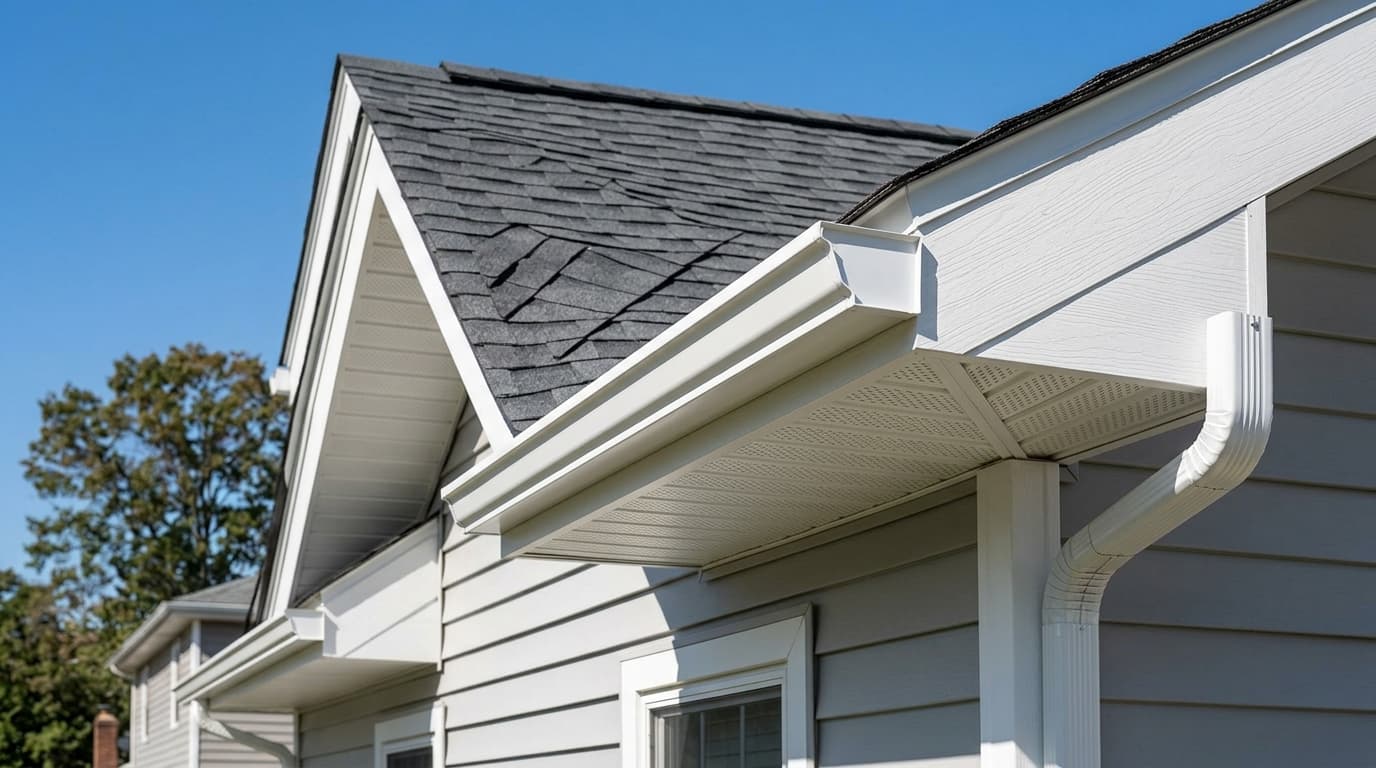
Fascia is the horizontal board that runs along the roof edge and that your gutters hang from. Replacement is priced per linear foot, with the per-foot rate set mostly by the material and the labor set by access and how much other work has to happen around it.
Because gutters attach to the fascia, a fascia job almost always involves detaching and reinstalling at least part of the gutter run, and sometimes touching the soffit underneath. Those are separate lines in a realistic budget. Every figure here is an editable planning assumption — replace it with a local quote for accuracy.
Cost by Fascia Material
Material drives the per-foot rate and the long-term maintenance. The table compares the common choices, lowest to highest relative cost:
| Material | Relative cost | Traits |
|---|---|---|
| Painted wood | Lowest | Traditional and easy to match existing trim; must be kept painted and sealed or it rots again |
| Aluminum-wrapped wood | Low to moderate | Wood fascia clad in bent aluminum (capping); hides and protects the wood but can trap moisture if water gets behind it |
| Composite | Moderate | Engineered board that resists rot and holds paint well; heavier and pricier than wood |
| PVC / cellular vinyl | Moderate to high | Will not rot and needs little maintenance; higher material cost; expands and contracts, so install detail matters |
Matching the existing trim profile and paint can add cost, especially on older homes. A common value choice is PVC or composite on the runs most exposed to weather, with painted wood elsewhere — but mixing materials should be a deliberate decision, not an accident of what the crew had on the truck.
Why Fascia Work Is Usually Tied to Gutters and Soffit
Fascia rarely fails in isolation, and it rarely gets replaced in isolation either:
- Gutters hang from it. To replace fascia the gutters have to come down and go back up, so fascia and gutter work are frequently quoted together. If the gutters are also old, it can be cheaper to do both at once than to pay twice for the same ladder setup.
- Soffit meets it. The soffit (the underside of the overhang) ties into the fascia. If water rotted the fascia, it may have reached the soffit too, adding material and labor.
- Access is shared. Height, pitch, and obstacles that make gutter work slow make fascia work slow for the same reasons.
Budget fascia, gutter re-hang, and any soffit repair as distinct lines so you can see what each part costs and decide what to bundle.
Signs of Fascia Rot
Catching rot early keeps a spot repair from becoming a full run. Watch for:
- Paint peeling, blistering, or bubbling along the board.
- Soft, spongy, or crumbling wood you can push a screwdriver into.
- Gutters pulling away, sagging, or hangers that no longer hold because the wood behind them has failed.
- Dark staining, visible water tracks, or mold on the fascia or soffit.
- Birds, wasps, or squirrels getting in where boards have opened up.
When Fascia Rot Signals a Bigger Leak
Fascia rot is often a symptom, not the disease. Wood at the roof edge gets wet for a reason, and replacing the board without fixing the source means it will rot again. Rot can point to:
- Overflowing or leaking gutters dumping water against the fascia instead of into the downspout.
- Failed drip edge or roof-edge flashing letting water run behind the fascia. See our roof flashing repair cost guide.
- Ice dams in cold climates backing water up under the shingles at the eave.
- Clogged or missing gutters that let roof runoff sheet directly onto the board.
If the rot is widespread, keeps coming back, or you find damage extending up into the roof deck or framing, have a professional inspect the roof edge before you spend on new fascia. Fixing the leak first protects the new board — and may reveal a larger repair you need to budget for.
Common Budget Mistakes
- Replacing the rotted board without finding and fixing why it got wet, so it rots again.
- Pricing fascia alone and forgetting the cost to detach and re-hang the gutters.
- Assuming a small soft spot is isolated; rot often extends further than it looks once a board is opened up.
- Choosing the cheapest material for weather-exposed runs where rot-resistant fascia would pay off.
- Treating a national "average" as your quote. Always confirm locally.
Frequently asked questions
- How is fascia board replacement priced?
- Most commonly per linear foot by material, with painted wood as the baseline and PVC, composite, or aluminum-wrapped options costing more. The total also reflects how many feet are rotted, roof height and access, and whether gutters and soffit have to be removed and reinstalled.
- Can I replace just the rotted section of fascia?
- Sometimes, if the rot is isolated and the surrounding board is sound, a spot replacement is reasonable. But rot often extends further than it appears once the board is opened, and if the underlying leak is not fixed the new section will rot too. Have the full run inspected before assuming a small patch will do.
- Does rotted fascia mean I have a roof leak?
- Not always, but it usually means water is reaching the board somehow — often from overflowing or leaking gutters, failed drip edge or roof-edge flashing, or ice dams. If rot is widespread or recurring, or extends into the roof deck, get a professional to inspect the roof edge before replacing the fascia.
Sources & pricing methodology
- Renovation Cost Lab editable demonstration datasetDefault per-foot prices by material are reasonable planning assumptions, not verified national averages. See our pricing methodology.
- Industry carpentry and roof-edge guidance (general reference)General educational reference for fascia materials, rot causes, and repair practices; verify current local pricing and inspect the roof edge before budgeting.
See our full pricing methodology and editorial policy.