
Double-Pane Window Replacement Cost: Glass-Only vs. Full Window
By Renovation Cost Lab Editorial · Last reviewed 2025-01-01
A double-pane (insulated) window costs more to address when the whole window is replaced than when only the failed sealed glass unit is swapped. As an editable planning model, replacing just the insulated glass unit (IGU) in a sound frame usually sits lower than a full-window replacement, while gas fills and Low-E coatings push the glass cost up. The foggy look between panes means the seal failed, not that the frame is bad — so repair vs. replace depends on frame condition. These are editable planning assumptions, not national averages; run the window calculator with your own local quote for a real number.
Key cost factors
- Whether you replace the glass unit only or the full window
- Condition of the existing frame and sash
- Glass size and operating style of the window
- Glazing package (Low-E coatings, inert gas fill, pane count)
- Number of failed units being addressed at once
- Install complexity, access, and old-unit removal
Quick Cost Overview
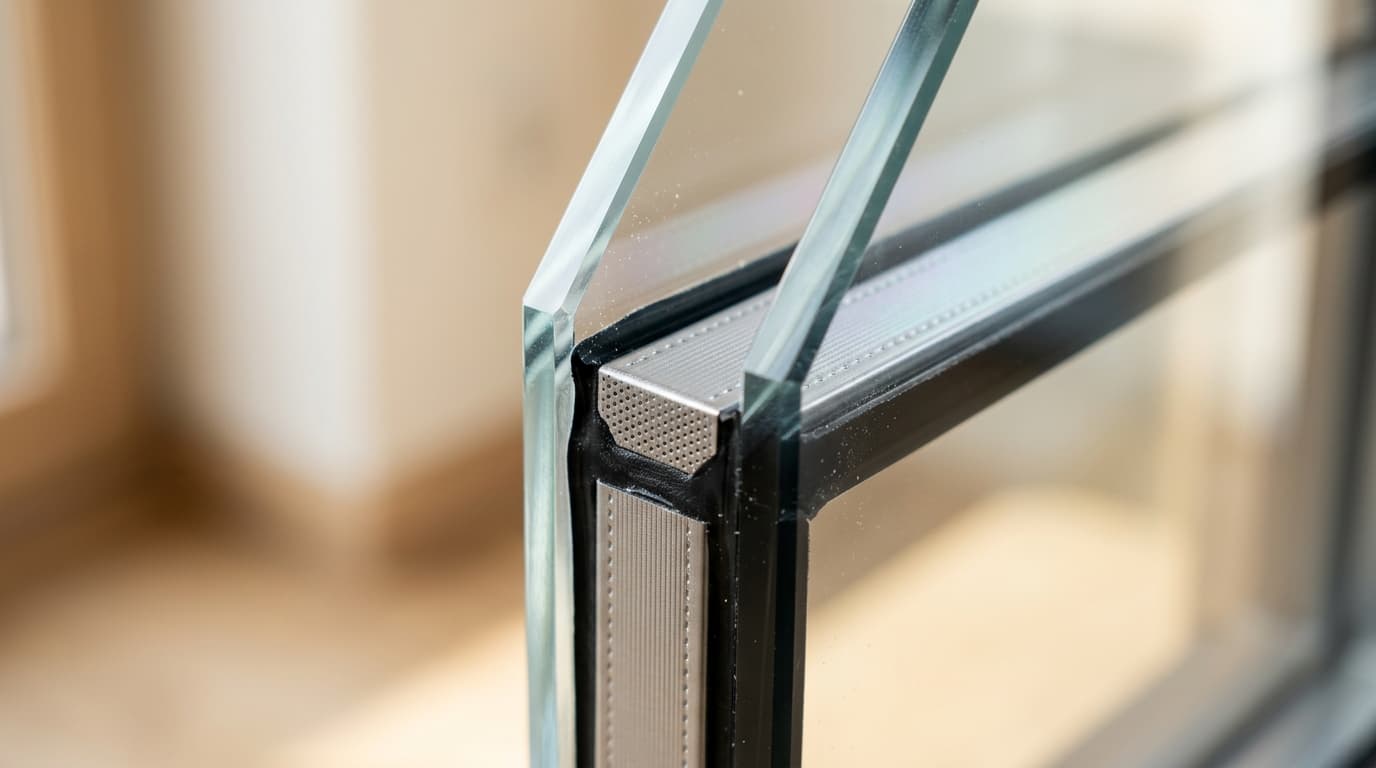
A "double-pane" window has two panes of glass sealed together with a spacer and a sealed cavity between them — an insulated glass unit (IGU), sometimes called a sealed unit. When you see fogging, haze, or moisture between the panes, the perimeter seal has failed and the cavity is no longer sealed. That is a glass problem, not necessarily a frame problem.
Because of that, there are two very different budgets: replacing only the failed glass unit (sash or IGU) in an otherwise sound window, or replacing the whole window including the frame. Our window calculator models a per-window cost from a material factor, size, glazing, and install complexity, all editable planning assumptions. Treat every figure here as a relative range and adjust it to a real local quote — we do not publish national averages as fact.
Foggy Glass: Repair the Unit vs. Replace the Window
Fogging between the panes means the IGU seal failed. The frame, hardware, and operation can still be perfectly fine. The honest question is how much of the window actually needs to change:
| Approach | What is replaced | Relative cost | When it fits |
|---|---|---|---|
| Glass-only (IGU swap) | Just the sealed insulated glass unit | Lower | Frame and sash are sound and square; the seal failed but nothing else did |
| Sash replacement | The movable sash carrying the glass | Lower to moderate | Sash is worn or warped but the frame and jambs are good |
| Full-window replacement | Frame, sash, and glass together | Higher | Frame is rotted, out of square, dated, or you want a different size or style |
Relative positions can shift with brand, glass size, and local labor, so treat the ordering as a planning guide, not a fixed ranking. A glass-only or sash fix is often the better value when the only thing that failed is the seal — but if the frame is compromised, a cheap-looking glass swap can be false economy.
What Drives the Glass Cost
Even within a glass-only replacement, several factors move the price up or down:
- Glazing package. A plain clear IGU costs less than one with a Low-E coating (which reflects heat) and an inert gas fill (such as argon between panes). Those upgrades improve performance but raise the unit cost.
- Size and weight. Larger insulated units use more glass, are heavier to handle, and may need two people to set, all of which adds labor.
- Operating style and shape. A standard rectangular sash is cheaper to re-glaze than an arched, bay, or specialty-shaped unit.
- Count at once. Addressing several failed units in one visit usually spreads the trip and setup cost, lowering the per-unit figure.
- Match to the original. Re-creating an exact spacer, coating, and tint to match adjacent windows can require a custom-ordered unit with a longer lead time.
Glass-Only vs. Full Window: Choosing Honestly
Glass-only is appealing because the frame, trim, and siding stay untouched, so labor is lower and the job is quick. It only works when the existing frame and sash are structurally sound and square, and when a replacement IGU can be sourced to fit the sash.
Full-window replacement costs more and takes longer, but it lets the installer address rot, re-flash the opening, improve the whole glazing package, or change size and style. If your windows are old, drafty beyond the fog, or the frames show damage, paying only for glass can leave you replacing the whole window again soon. Price both and weigh them on condition, not just the sticker.
DIY vs. Professional
Measuring and ordering a replacement IGU can be within reach for a confident DIYer on a small, ground-floor, standard sash, and some sashes are designed to be re-glazed. But insulated units are heavy and must be bedded and sealed correctly; a poor reseal can fog again, and mishandling large glass is a genuine safety hazard — glass can break under its own weight, so wear cut-resistant gloves and eye protection and never lift a large unit alone.
Upper-floor windows, large or specialty units, and any case where the frame needs work are generally professional jobs. A dropped or cracked pane usually costs more than the labor you were trying to save.
Permits, Warranties & Common Mistakes
Swapping a failed glass unit like-for-like typically does not require a permit, but changing the opening size, a structural header, or an egress window often does. Rules vary by jurisdiction, so confirm with your local building department rather than assuming. Also check any remaining manufacturer warranty: many sealed units carry a glass warranty, and a seal failure within the term may be covered — worth checking before you pay for new glass.
- Assuming fogging means the whole window is bad when only the seal failed.
- Paying for a full window when a glass-only or sash fix would have served, or vice versa.
- Ignoring a remaining glass warranty that might cover a seal failure.
- Comparing a plain IGU quote against a Low-E, gas-filled one as if they were the same.
- Treating a national "average" as your quote. Always confirm locally.
Estimate your project
Adjust the inputs to match your project and local prices.
Add a row for each set of same-size windows. Not all windows are the same size.
Affects labor only. Upper floors, hard access, or trim rebuilds raise labor.
Frequently asked questions
- Why do my double-pane windows look foggy inside the glass?
- The perimeter seal of the insulated glass unit has failed, letting moisture into the sealed cavity between the panes. That is a glass problem; the frame and hardware may be perfectly fine. You can often replace just the glass unit rather than the whole window if the frame is sound.
- Is it cheaper to replace just the glass or the whole window?
- As an editable planning assumption, replacing only the failed insulated glass unit in a sound frame usually costs less than a full-window replacement, because the frame, trim, and siding stay in place. If the frame is rotted, out of square, or you want a new size or style, a full replacement can be the better value even though it costs more up front. Confirm with a local installer.
- Do Low-E coatings and gas fills change the replacement cost?
- Yes. A plain clear insulated unit generally costs less than one with a Low-E coating and an inert gas fill such as argon. Those upgrades improve thermal performance but raise the glass price, so match the glazing package line for line when comparing quotes.
Sources & pricing methodology
- Renovation Cost Lab editable demonstration datasetDefault per-window and glazing factors are reasonable planning assumptions, not verified national averages. See our pricing methodology.
- ENERGY STAR — windows, doors & skylights guidance (general reference)General educational reference for glazing, Low-E, and gas-fill concepts; verify current recommendations for your climate and needs.https://www.energystar.gov/products/windows_doors_skylights
See our full pricing methodology and editorial policy.