
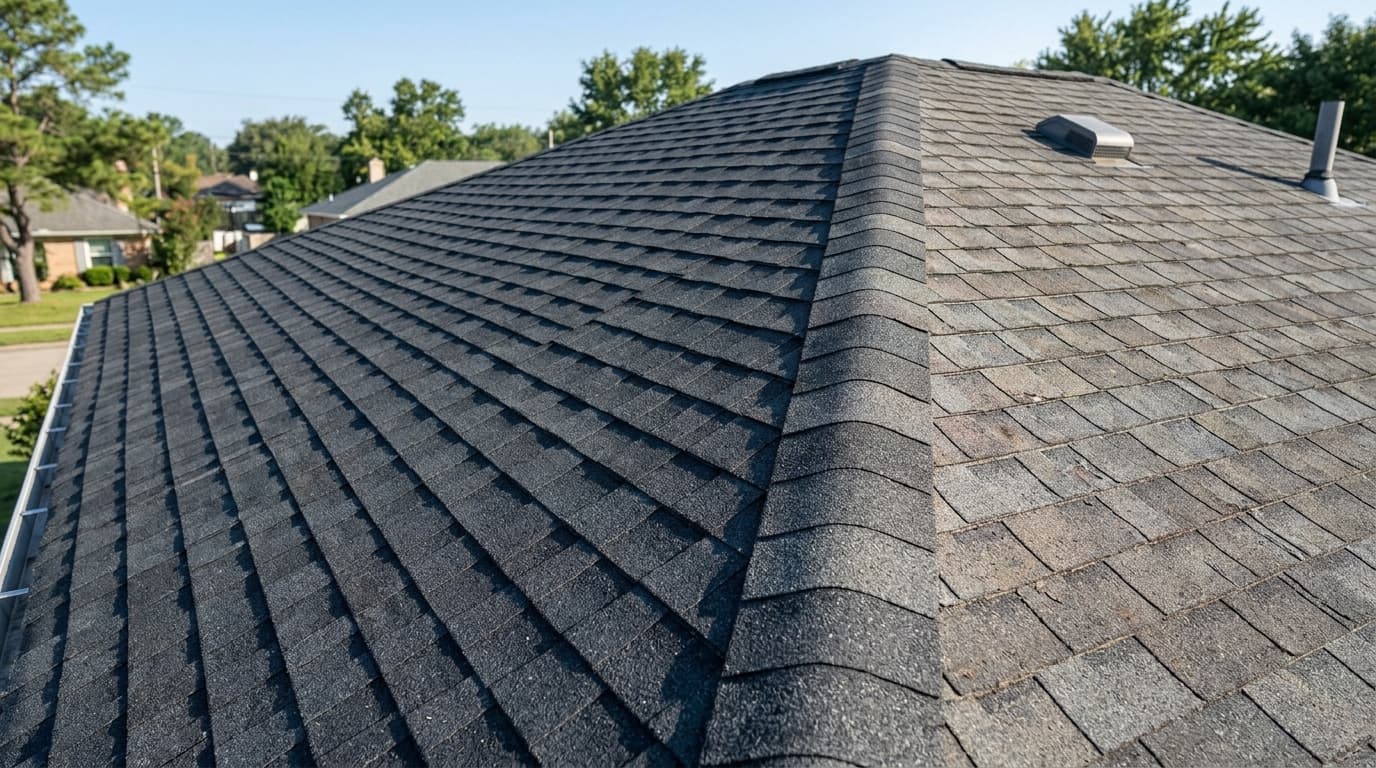
Roof Repair vs. Replacement: How to Decide
By Renovation Cost Lab Editorial · Last reviewed 2025-01-01
There is no universal threshold that decides repair vs. replacement for every roof. The honest approach is to weigh four things together — the roof's age and condition, how extensive the damage is, how many layers are already up there, and whether leaks keep coming back — and then compare the annualized cost of repairing versus replacing using your own quotes. A cheap repair on a roof near the end of its life can cost more per year than replacement; a localized problem on an otherwise sound roof usually favors repair. Use the repair-vs-replace calculator with your numbers, and have any safety or structural concern inspected by a professional.
Key cost factors
- Age and overall condition of the roof
- Extent and location of the damage (localized vs widespread)
- Number of existing roofing layers
- Whether leaks are recurring or one-off
- Annualized cost of repair vs. replacement (your own quotes)
- Any safety or structural concerns needing a professional inspection
There Is No Universal Rule
You will find charts online that tell you to replace a roof once repairs reach some percentage of replacement cost, or once it hits a specific age. We do not publish those thresholds, because they are not true for every roof. A well-built roof in a mild climate and a cheaply installed one in a harsh climate do not age the same way, and we are not going to put a made-up lifespan on yours.
Instead, this guide gives you a framework: look at four factors together, then compare the actual annualized cost of your two options using your own quotes. The decision should come from your roof and your numbers, not a national rule of thumb.
The Four Factors to Weigh Together
No single factor decides it. Weigh these together and look for how they point:
| Factor | Leans toward repair | Leans toward replacement |
|---|---|---|
| Age & condition | Roof is relatively new and otherwise sound | Roof is clearly worn across the whole surface, near end of service |
| Extent of damage | Localized to one area or feature | Widespread, multiple areas, or large sections affected |
| Number of layers | Single layer with room to repair cleanly | Multiple layers already present (often must be torn off) |
| Recurring leaks | A one-off leak with a clear, fixable cause | Leaks that keep returning in different spots |
When the factors disagree — say, an older roof with only localized damage — that is exactly when running the numbers matters most.
Age and Condition
Age matters, but condition matters more, and the two are not the same. We deliberately avoid quoting a fixed "roofs last X years" figure — real service life depends on the material, the quality of the original install, the climate, ventilation, and maintenance. What you can assess is condition: widespread curling, cracking, bald spots, granule loss in the gutters, or daylight and moisture in the attic point toward end of life, whatever the calendar says. A roof that is older but genuinely sound can still be a good candidate for a targeted repair.
Extent of Damage and Number of Layers
Extent is about how much of the roof is involved. Damage confined to one slope, one valley, or around a single penetration is a repair candidate. Damage scattered across multiple areas, or a large section compromised, tilts toward replacement because you are effectively rebuilding much of the roof piecemeal.
Layers often force the decision. Many areas allow only a limited number of roofing layers, and a roof that already carries multiple layers usually cannot simply be patched or overlaid again — it has to be torn off. A full tear-off adds cost and weight considerations, and once you are tearing off, replacement is frequently the more sensible spend. Confirm the layer count and what your local code allows before assuming an overlay repair is possible.
Recurring Leaks
One leak with an obvious, correctable cause — a cracked vent boot, a lifted flashing, a few displaced shingles — is a repair. Many of those start at the flashing; see our roof flashing repair cost guide before assuming the whole roof is the problem.
Leaks that keep coming back, especially in different places, are a different signal. They often mean the roof system as a whole is failing rather than one spot, and repeated repairs can quietly add up to more than a replacement would have cost — while you still have an unreliable roof. Track how often and where you are patching; a pattern is itself evidence.
Run Your Own Numbers: Annualized Cost
The fair way to compare two options with different price tags and different lifespans is to look at cost per year, not just the sticker price. A repair is cheaper today but may only hold for a short time on an aging roof; a replacement costs far more now but is spread over many more years. Dividing each option's cost by the years you reasonably expect it to last puts them on the same footing.
Our repair-vs-replace calculator does this with your inputs — your repair quote, your replacement quote, and your own estimate of how long each will last. We do not prefill a lifespan for you, because that is the number most sites fabricate. Put in figures from your actual quotes and inspection, and let the annualized comparison guide the call.
When You Need a Professional Inspection
Some situations are not a budgeting exercise — they need eyes and expertise on site before you decide anything:
- Any sign of structural trouble — sagging roofline, deck that feels soft underfoot, or water that has reached the framing — needs a professional assessment, not a DIY patch.
- Active or spreading leaks where you cannot clearly identify the source.
- Steep or high roofs, which are a genuine fall hazard to inspect yourself.
- Storm or impact damage that may be more extensive than it looks from the ground, and that can involve insurance.
A qualified inspection often pays for itself by telling you honestly whether you are looking at a repair or a replacement — and by catching structural issues before they become dangerous.
Common Decision Mistakes
- Applying a one-size "replace at X% of cost" rule instead of your roof's actual condition and numbers.
- Comparing sticker prices instead of annualized cost over each option's expected life.
- Repeatedly repairing a roof with recurring leaks past the point where replacement would have been cheaper.
- Assuming an overlay is possible without checking the existing layer count and local code.
- Skipping a professional inspection when there are structural or safety concerns.
Estimate your project
Adjust the inputs to match your project and local prices.
How many more years of use the repair realistically buys. Your estimate.
Expected usable years of the new unit. Your estimate.
e.g. extra energy cost of keeping an inefficient old unit.
The period you want to think over. If it exceeds the added repair years, you will be warned.
Frequently asked questions
- Is there a rule for when to replace instead of repair a roof?
- No universal rule that holds for every roof. The honest method is to weigh age and condition, extent of damage, number of existing layers, and whether leaks recur — then compare the annualized cost of repairing versus replacing using your own quotes and a realistic estimate of how long each will last. We do not publish a fixed threshold or a fabricated lifespan.
- How do I compare a cheap repair against an expensive replacement fairly?
- Compare cost per year, not sticker price. Divide each option by the number of years you reasonably expect it to last. A low repair cost that only holds briefly on an aging roof can be more expensive per year than a replacement spread over many years. Our repair-vs-replace calculator does this with your own numbers.
- When should I get a professional to decide for me?
- Any time there are safety or structural concerns — a sagging roofline, soft decking, water in the framing, steep or high roofs, or storm damage. A qualified inspection tells you whether you are facing a repair or a replacement and catches structural problems before they become dangerous, without you having to get on the roof yourself.
Sources & pricing methodology
- Renovation Cost Lab editable demonstration datasetThe repair-vs-replace calculator uses your own quotes and lifespan estimates; defaults are editable planning assumptions, not verified national averages or prescribed roof lifespans. See our pricing methodology.
- Industry roofing and inspection guidance (general reference)General educational reference for assessing roof condition, layers, and when to seek a professional inspection; verify current local code and get on-site assessment before deciding.
See our full pricing methodology and editorial policy.